
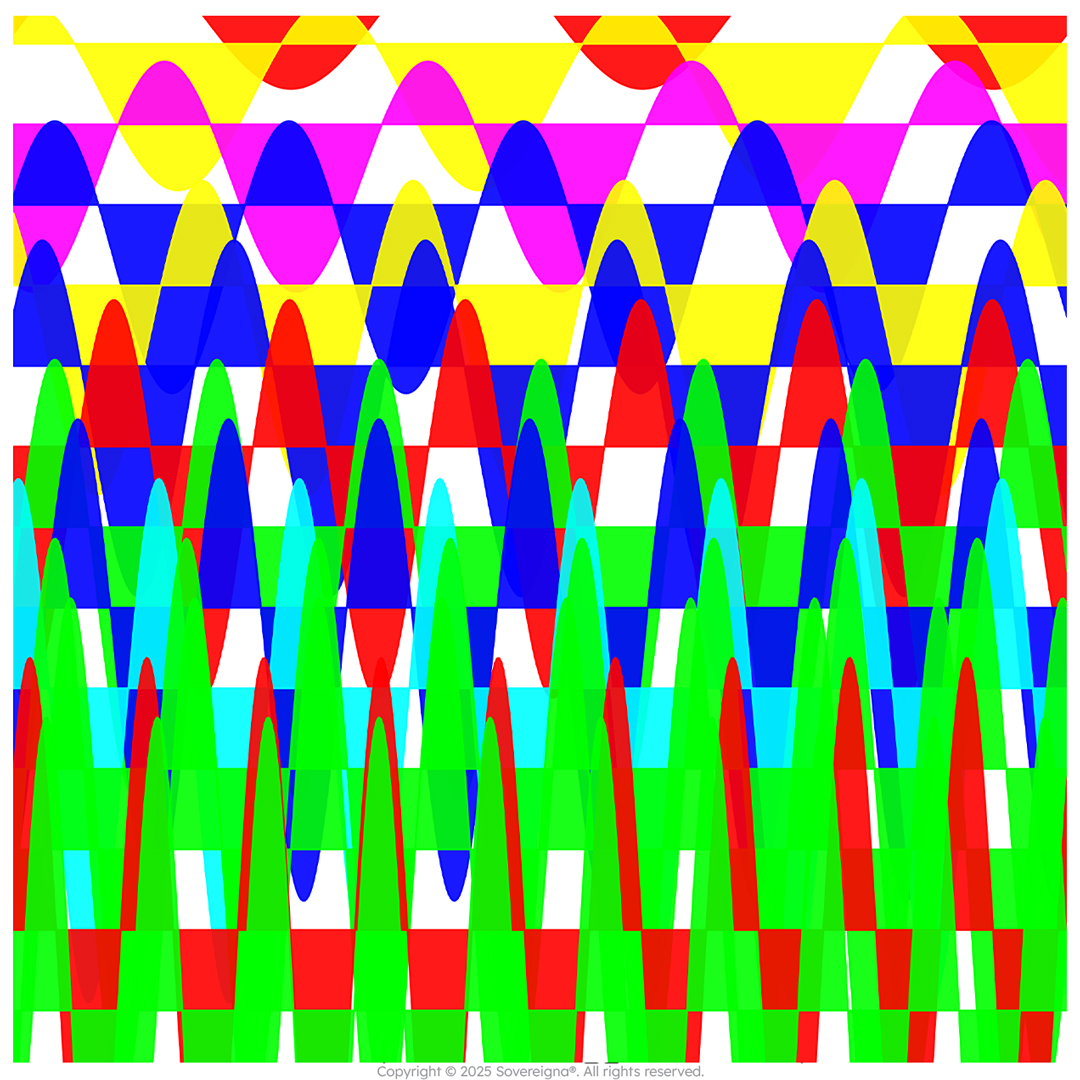
Visual art, including SOTs and other forms of visual therapeutics, can have a profound psychological influence. This can be a positive force—helping people calm down, focus, or even stimulate mental clarity. But there’s always the question: How much power should we wield over people’s emotions and mental states?
After several months of intense development, experimentation and personal testing, we discovered a truth not from theory, but from the body: Too many illusions—no matter how beautiful—begin to overwhelm. They invite too much. They trigger the system instead of soothing it.
Note from YH: I have tested over 250 SOTs for effect and classification, 12 hours a day for four weeks. At first the tiredness seemed normal—but on the fourth week, my left eye, cheek and ear began feeling not pain, but a weighted strain. There was also a nagging indentation in the centre of my visual field, even when reading regular text. At certain times, i would see a flash or a blur in my peripheral vision that wasn’t there. However, I have to consider that other factors—from developing and viewing non-SOT optical illusions (such as autostereograms and our Heartshaker), and other stresses and designwork—have contributed to my fatigue. Also, I have noted that my intention was not to centre myself, but to test limits and ‘SOTness’.
After a 6-day break from testing SOTs, at the time of writing this, the symptoms have vanished completely. I noted some withdrawal on the day I stopped viewing SOTs. It wasn’t discomfort, but rather a doubt. Had I entrained my eyes to view SOTs more affectedly in the four weeks? WAS I HALLUCINATING? I had to confirm this.
The answer is no. I wasn’t hallucinating. SOTs are real, at least to our team members, family and friends who have volunteered to ‘see’ with us.
The Cost of Perception
Perceiving is not passive. It requires:
- Muscular effort (focusing, stabilizing, blinking)
- Neural processing (contrast, shape, motion detection)
- Emotional filtering (safe vs. intense)
When the same eye is asked to do this again and again—especially with powerful illusions—the system begins to push back. It may show up as:
- Eye strain
- Visual distortion
- Facial tension
- Asymmetrical fatigue
This is not failure. This is feedback. And we listened.
The Decision to Reduce
In light of this, we made a conscious design shift: We reduced the number of illusions per serving, and develop muted SOTs specifically for Visual Therapeutics (VT-SOTs). Versions that are safer, shallower and more accessible for a broader range of viewers.
We did this to:
- Allow space between visuals
- Encourage rest, not addiction
- Support perceptual hygiene
- Model restraint and care in an age of visual excess
Fewer images means:
- Slower flipping
- Deeper attention
- Gentler immersion
- Each SOT becomes its own moment. Not two hours’ worth of SOTs that challenge you to complete.
- Therapeutic, Not Overstimulating
SOTs are not designed to flood the brain. They are designed to partner with it. To invite calm, clarity, or curiosity—one image at a time. Reducing quantity or visual effects is not about limiting the experience. It’s about honoring the system receiving it. And that system is you. Your eyes. Your mind. Your rhythms.
Our Visual Therapeutics SOTs (VT-SOTs) will neither be mazes, nor races.
Not Meant To Be A Crutch
While SOTs can offer relief, grounding, or moments of calm, they are not meant to become a substitute for healing, growth, or connection.
They are:
- Anchors, not answers
- Tools, not solutions
- Invitations, not escapes
Use them to reset. To notice. To return. But don’t use them to avoid what needs to be felt, said, or done. SOTs are not here to carry you away. They are here to remind you that you already know how to arrive.
We believe the deepest perception arises not from stimulation, but from spaciousness.
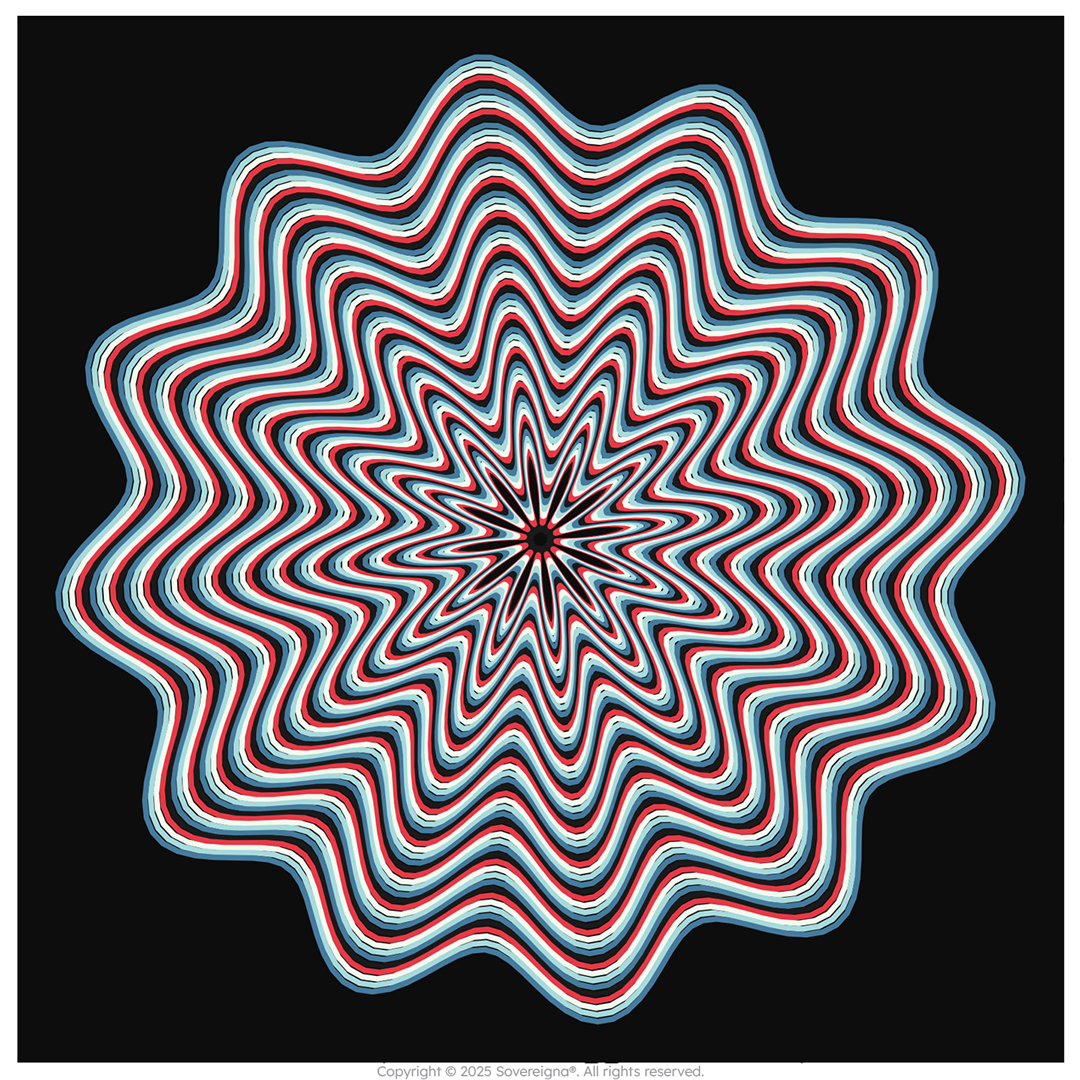
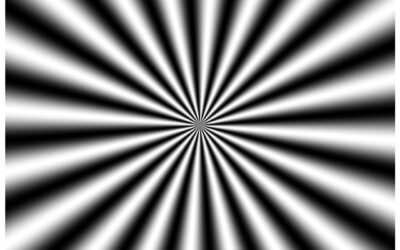
Even with reduced colour vibrance, we can still retain mild illusive visual effect with contrast and spacing. However, like in this one, we have observed that the stronger the initial illusive effect, the more distracting and stimulating the SOT becomes. This makes it more difficult for the viewer to gaze naturally and ease into the SOTs experience. This is a good example of an SOT that is almost, but still not muted enough for VT-SOTs. Balance is key, and driven by intended use.
If you’d like to experience a ‘difficult’ SOT with built in autostereogram effect, you are welcome to stare at the title image at the top of this page. We advise caution and self-control, that you do not strain your eyes trying too hard to see. That is an example of a bad SOT for VT.

0 Comments