
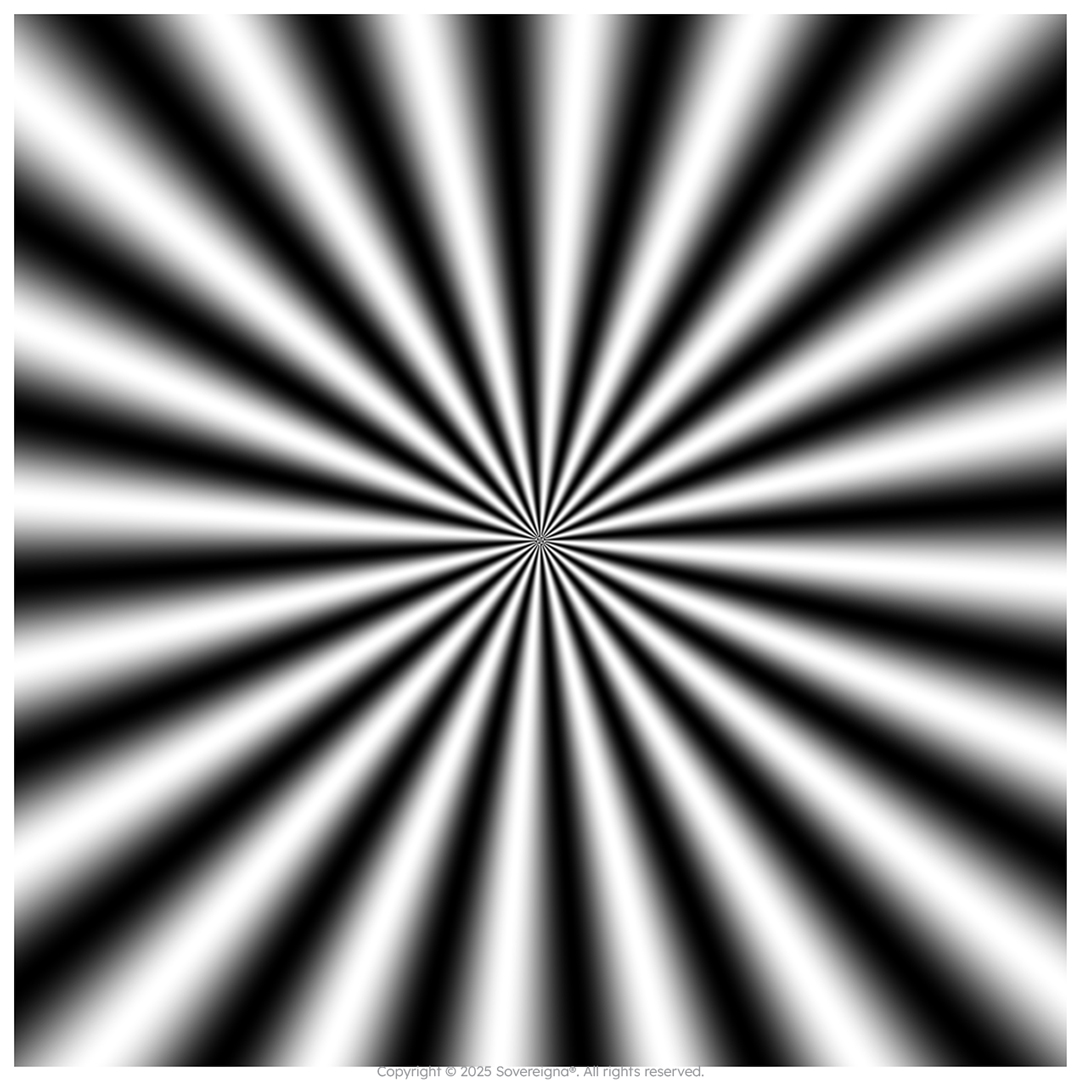
Visual art, including SOTs and other forms of visual therapeutics, can have a profound psychological influence. This can be a positive force—helping people calm down, focus, or even stimulate mental clarity. But there’s always the question: How much power should we wield over people’s emotions and mental states?
The ethical concern arises when such tools are used manipulatively. For example, how do we ensure the intent behind visual therapeutics is for the well-being of the viewer and not used to control or exploit emotional states for profit or power?
- Is it ethical to design visuals that can alter someone’s mood, potentially without their conscious awareness?
- Can certain visuals or patterns be used to manipulate someone into buying a product, subscribing to a service, or adopting an ideology?
- What happens if these visuals are used in more exploitative ways (e.g., advertising, propaganda)?
It’s easy to imagine a slippery slope where designers start manipulating emotional states with increasing sophistication, without regulation or ethical oversight.
The Slippery Slope:
Once we acknowledge that visual patterns can influence mood, behavior, and mental states, the ethical dilemma becomes:
- At what point do we cross the line between beneficial influence and exploitation?
- What happens when these tools are used to manipulate people’s emotional responses for corporate or political gain?
This is especially tricky in the age of personalized experiences (social media algorithms, targeted ads, etc.). Could visual therapeutics be used in a way that subtly pushes people toward certain behaviors they wouldn’t otherwise engage in?
Comparison with Video Games
Similarities:
Video games, especially in recent years, have become highly immersive and emotionally engaging. Many games have been designed to tap into emotional triggers like fear, joy, frustration, and excitement. The industry uses a combination of art, storytelling, audio, and gameplay mechanics to influence player behavior and emotions. Just like visual therapeutics, video games can shape emotions, moods, and cognitive patterns.
- Escapism and Immersion: Just as visual therapeutics can offer calming relief or focus, video games provide an escape or immersion from the real world. Both affect mental states, either to help or potentially to distract.
- Reward Systems and Engagement: Video games use reward systems, dopamine triggers, and emotional investment to keep players hooked. Similar strategies could be employed in visual therapeutics—although instead of rewards, the aim might be to encourage relaxation or self-regulation.
Differences:
- Active vs. Passive: Video games are often an active experience—players control and influence the narrative. In contrast, SOT visual therapeutics are often passive—viewers engage with the visual flow but aren’t actively manipulating it (unless, of course, they’re designing or interacting with it in some way).
- Clear Intentions vs. Mixed Intentions: Video games are generally designed to entertain, inform, or challenge. The intent behind visual therapeutics is clearer: it’s meant to soothe, calm, or regulate. However, crossing into the commercial realm, visual therapeutics could easily blur this line, just as video games sometimes promote in-app purchases or addictive design choices.
- Cognitive Load: Video games often involve higher cognitive load and mental challenges, which can contribute to frustration or excitement. Visual therapeutics, however, are generally meant to ease cognitive load and offer relaxation, focus, or emotional modulation.
Ethical Risks and Considerations for Visual Therapeutics:
1. Addiction:
- Games are often designed to be addictive, with mechanics that encourage repeated engagement (e.g., “just one more level”). If visual therapeutics were designed in a way that encourages dependency, people could be led to continuously seek out visual therapy (or art) for emotional regulation, potentially leading to avoidance behaviors or emotional reliance.
2. Emotional Manipulation:
- As with video games, there’s a risk of emotional manipulation through design. A designer might tap into specific emotional triggers or use color and rhythm in ways that coerce or force a desired emotional state. The ethical question is: Where is the line between helping someone and controlling them emotionally?
3. Informed Consent:
- Games often don’t make it clear to players how much of their emotions and decisions are being manipulated by the game design (e.g., how game mechanics are designed to extract as much time as possible). With visual therapeutics, it’s important to maintain transparency about how the artwork or patterns are designed to influence the viewer’s emotional state.
4. Mental Health Impact:
- On the positive side, visual therapeutics can help with mental health by promoting relaxation or mindfulness, as with SOTs. But if misused, they could potentially trigger adverse mental health responses for people who are vulnerable to certain visual cues (e.g., patterns that might induce anxiety or discomfort).
Early Thoughts to Guide Our Work:
- The ethics of visual therapeutics are complex, but not as dangerous as some other forms of emotional manipulation (like in games or neuro-marketing). However, SOT creators still carry great responsibility in how these tools are designed and applied.
- When we design for emotional regulation, it’s important to ensure that the intention is always clear, the effects are beneficial, and users are informed about the potential effects.
- The comparison to video games makes sense, especially when we consider addiction and emotional manipulation. But visual therapeutics has the potential to be a more gentle, supportive tool when used ethically.
- Filtering tools must be developed soon to detect hidden messages, images or forms both subliminal and apparent that may have been designed into SOTs INTENDED FOR VISUAL THERAPEUTICS.
- In a new unregulated space like SOTs, we observe how a similarly unregulated breakthrough space like AI content strives towards protective regulation, which places responsibility on the creator to declare the use of SOTs, it’s intended purpose and the integration or inclusion of messages, images and forms (e.g. Inclusion of a logo or branded elements, as seen below)
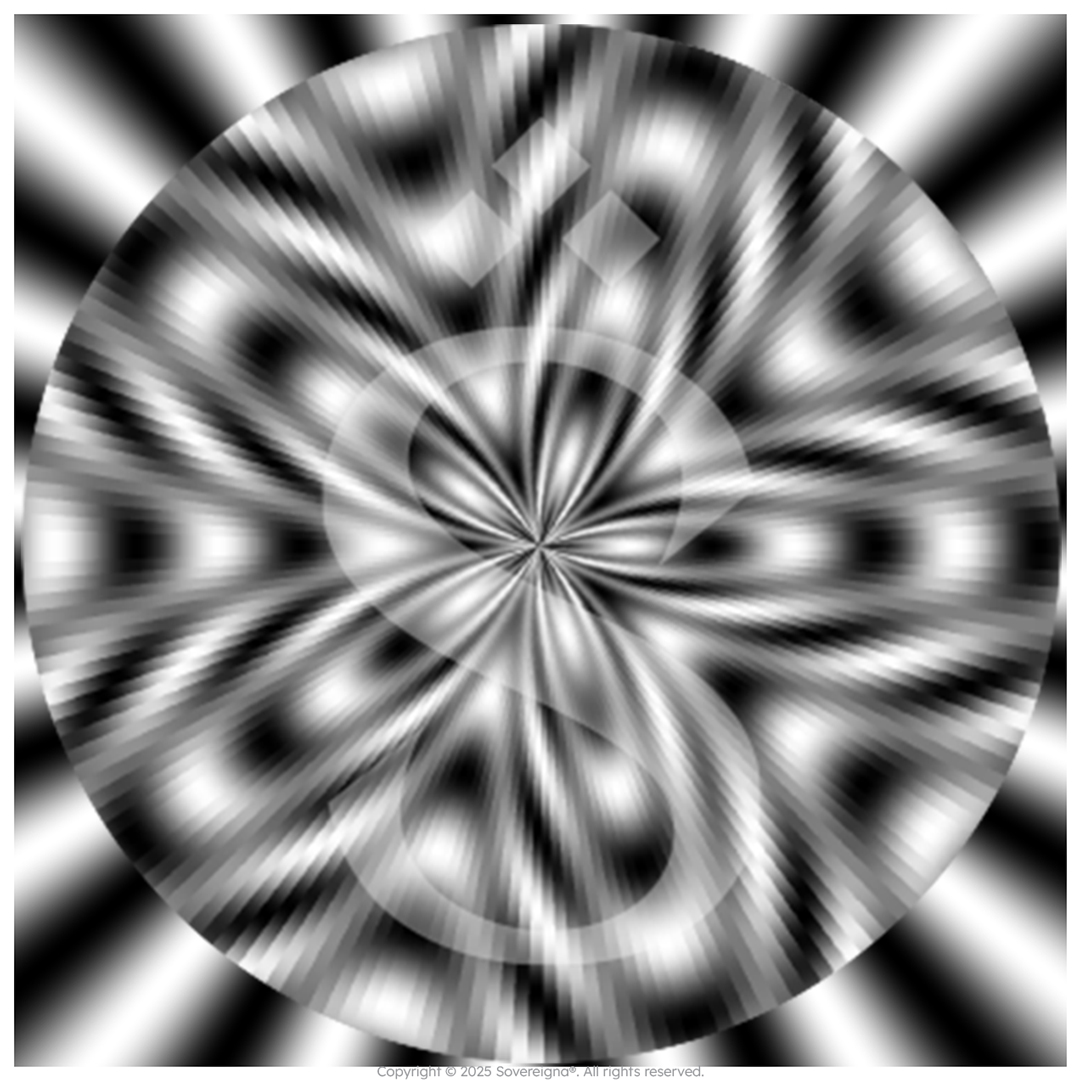
While this may look like a fairly straightforward placement of our logo within an SOT, the intention suddenly becomes questionable. When the viewers perception has been recruited by our SOT, the responsibility then falls on us, the creators, to clearly educate those who may not be aware of the potent pairing.
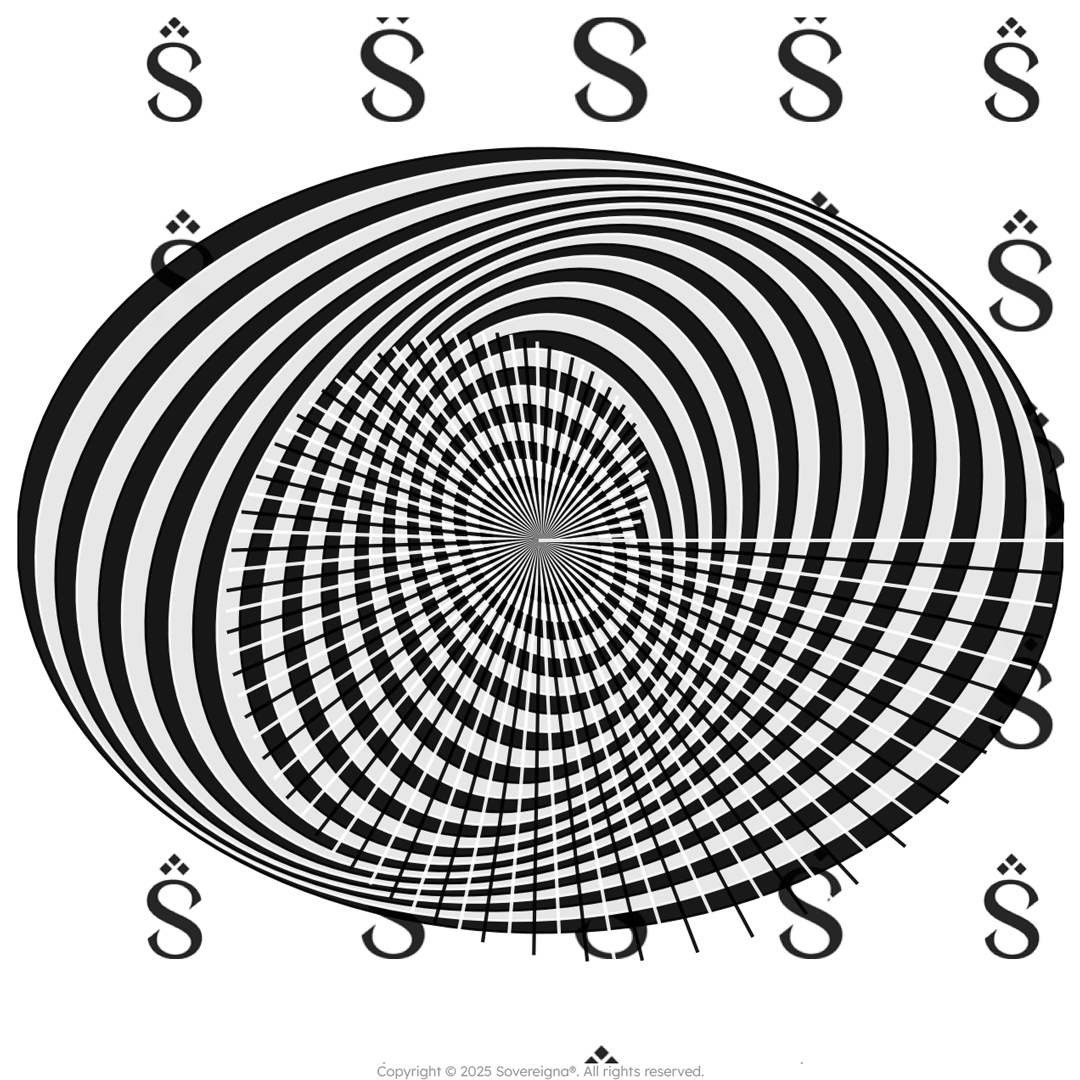
It is inevitable that brands will quickly attempt to adopt o event build SOTs around their brand or image. We admit to have experimented with branded SOTs ourselves too, but have internally reached a consensus to not include branding in SOTs intended for visual therapeutics.
(So serious, let’s lighten the mood a little. At the top of this page, the first SOT below the title is a fun, safe one which plays with perspective. Stare at the centre for 10 seconds, then slowly pull your head backwards and forwards. Tunnel vision much?)


0 Comments