
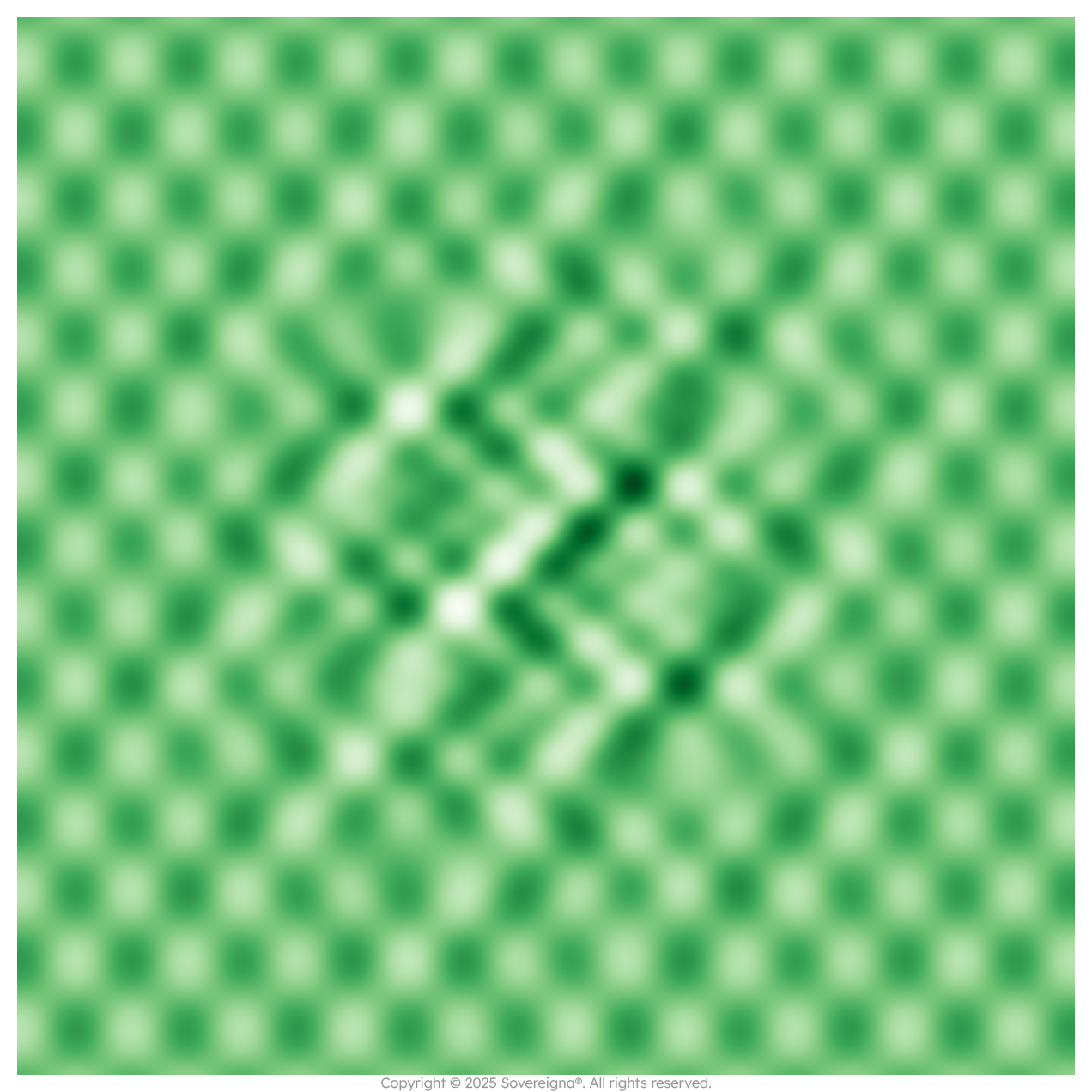
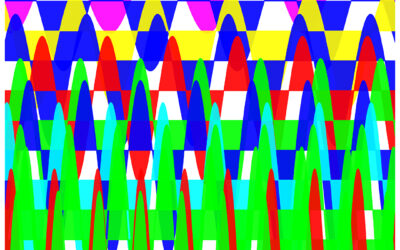
SOTs are purposefully designed with more than one entry point. To experience the Sequential Optical Trigger (SOT) design, the goal is to interact with the visual in a way that encourages perception modulation, as discussed in the context of SOTs. Here are some tips for experiencing it, whether you’re viewing it on-screen, on a wall or using a printout for therapeutic purposes.
1. Viewing Techniques
- Focus on Rhythm and Flow
BREATHE and keep on breathing deeply. The key to experiencing an SOT is to allow your eyes to follow the visual flow without force or expectations. Allow your gaze to move naturally across the design as it leads you through the visual pattern. The smooth transitions and shifting intensities can help modulate your internal rhythm.Avoid overanalyzing: SOTs are meant to be absorbed rather than understood intellectually. Let your brain process the visual flow naturally. - You don’t need to cross your eyes (for most SOTs). Certain SOTs may include autostereogram (3D or ‘Magic Eye’ optical illusion) elements, but these are not integral to SOT design/experience.
- Zoom In and Out
Zooming in: When you zoom into the fractal-like design, you might notice smaller iterations of the pattern repeating. This is similar to the self-similarity seen in fractals. It helps in experiencing the infinite complexity hidden within a simple visual.Zooming out: Stepping back, you can appreciate how the design works as a whole, recognizing how the small elements come together to form the larger picture. - Take Breaks Between Viewings
After gazing at the design for a while, take a break. This helps prevent overstimulation and can allow you to experience the soothing effects in short, mindful sessions. This is especially useful if you’re using it for relaxation or calming.
2. Therapeutic Experience
Calming and Grounding
For those looking to use it in a therapeutic context, such as calming anxiety or grounding sensory overload, focusing on breathing in sync with the visual can be very helpful.
Practice deep breathing
As you follow the pattern, take slow, deep breaths. The visual rhythm of the SOT can help regulate your breath and bring a sense of calm.
Fidgeting and Sensory Engagement
The rhythmic nature of the SOT can be helpful for individuals who are experiencing hyperactivity or “zoomies” (ADHD-like surges). The visual can function like a visual fidget spinner, guiding the eyes and mind into a soothing state.
Explore Personal Reactions
Sensory response can vary. While some people may feel more grounded, others might experience an energizing effect from the visual pattern. Pay attention to how your body responds, and adjust the intensity, color palette, or speed of the visual to suit your needs.
3. Mindful Interaction
With Movement:
If needed, move slightly while viewing the design. Gently move your head left or right to see how the visual flow shifts and responds. This slight movement enhances the interaction and could amplify the grounding or calming effects.
Environmental Context:
The space around you can enhance the experience. If you’re using it for therapy, try viewing the design in a quiet, comfortable room with soft lighting. If you’re in a classroom or workspace, pairing the visual with a focused task might also improve concentration.
4. Interactive Exploration
If you’d like to deepen the experience, you can incorporate these elements:
- Adjustable Parameters:
If you’re working with a dynamic version of the SOT (i.e., one where you can adjust settings like speed, intensity, color, or pattern type), experiment with these sliders and observe how different adjustments affect your emotional state. - Collaborative Exploration:
- If you’re working in a group setting (e.g., a classroom or therapy group), observe how others are responding to the visuals. You may notice variations in emotional engagement or shared experiences.
5. Journaling Experiences with Focus on Emotions
Throughout the experience, ask yourself: How does the visual make you feel? Are you noticing any changes in your mood, attention, or physical sensations? The primary goal of SOTs is to enhance emotional regulation, so being mindful of these shifts is key.
Closing Thought:
Ultimately, experiencing the SOT is about letting go of rigid expectations and allowing the visual to guide your mind, emotions, and body toward a desired state—whether that’s calming, energizing, or grounding.
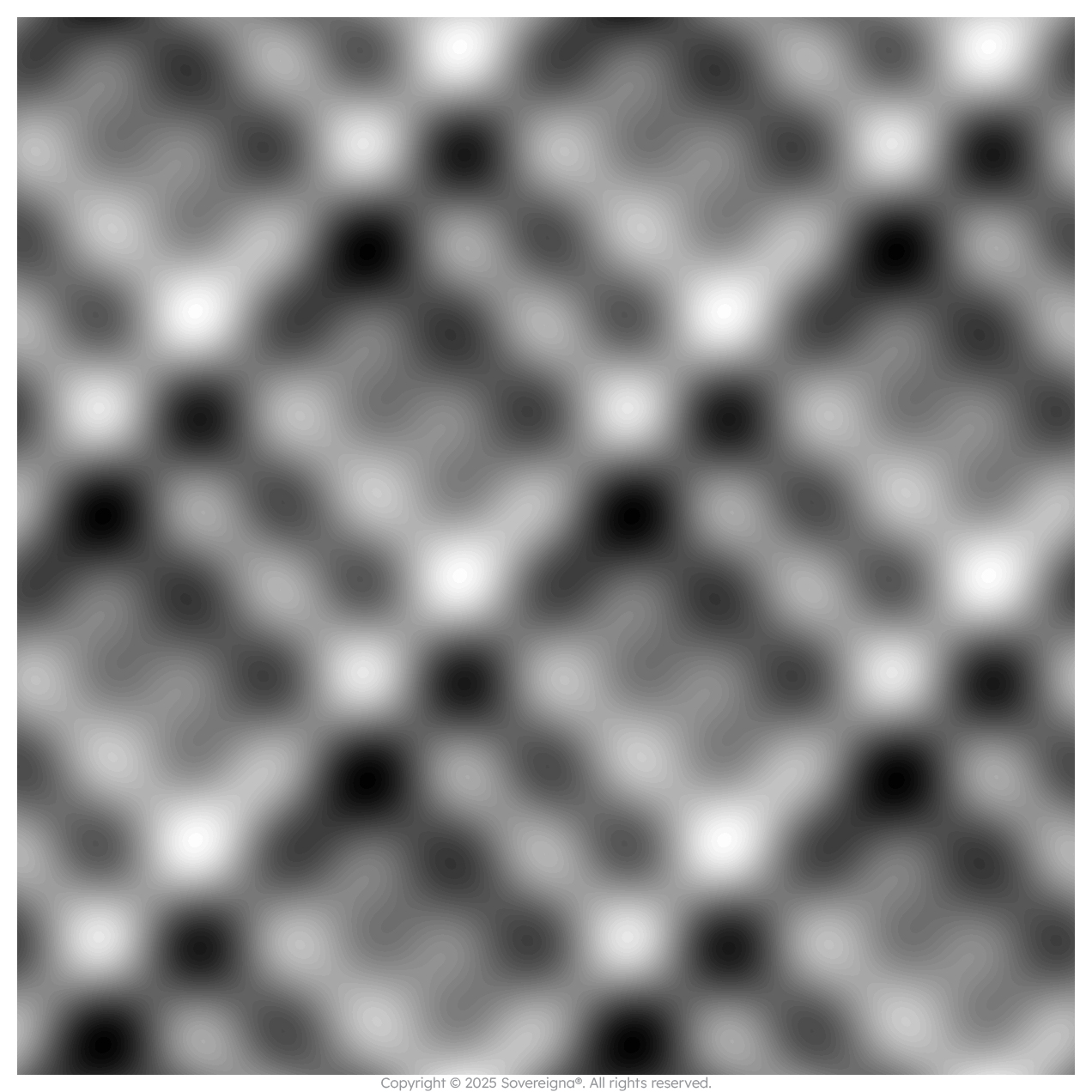
SOTs that simulate a blur effect often evoke more calming or soothing effects, with softer and smoother transitions between sequenced effects. As both your eyes and attention tire and adjust, another optical trigger is placed to catch your ‘fall’ or ‘distractedness’, keeping you in the visual experience.

0 Comments